 |
|
|
Dear Friend of the National Parks,
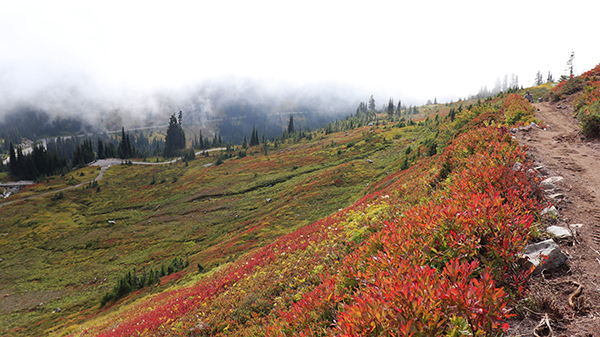
It has been a challenging year for our national parks. Our parks have seen dramatic staff losses, threatened funding cuts, and the longest government shutdown in history, all at a time when they are seeing record visitation and the cumulative impacts of long-term disinvestment.
While NPCA continues to fight for parks’ essential needs, your Northwest Team has worked harder than ever this year to protect and enhance the Northwest treasures we love: Restoring the grizzly bear. We continue to hold the government accountable to its decision to bring back the grizzly at North Cascades and support communities in their efforts to prepare for their return. Protecting historic resources. The Oregon Caves Chateau, the nearly century-old historic lodge at Oregon Caves National Monument & Preserve, is at risk of being lost forever. NPCA worked with partners to get it listed as one of the 11 Most Endangered historic places in America. Saving our most important stories. NPCA worked with partners across the Japanese-American community to bring more than 400 people together to speak up against the erasure of park stories as the administration seeks to rewrite history at places like the Japanese-American incarceration sites now managed by the National Park Service. Raising the alarm for endangered salmon. Olympic National Park, the greatest sanctuary for salmon in the Lower 48, has lost 90% of its fisheries science team. Without them, recovery of these iconic and essential species is increasingly at risk. Connecting the Oregon high desert. NPCA launched a new collaborative, detailed below, to protect and enhance habitat restoration projects in the lands surrounding the John Day Fossil Beds National Monument in Oregon’s sagebrush sea.
As we look to another challenging year ahead, thank you for your ongoing support of NPCA and our iconic northwest national parks.
|
|
 |
|
|
Another Shutdown Ravages our Parks and Harms Park Staff
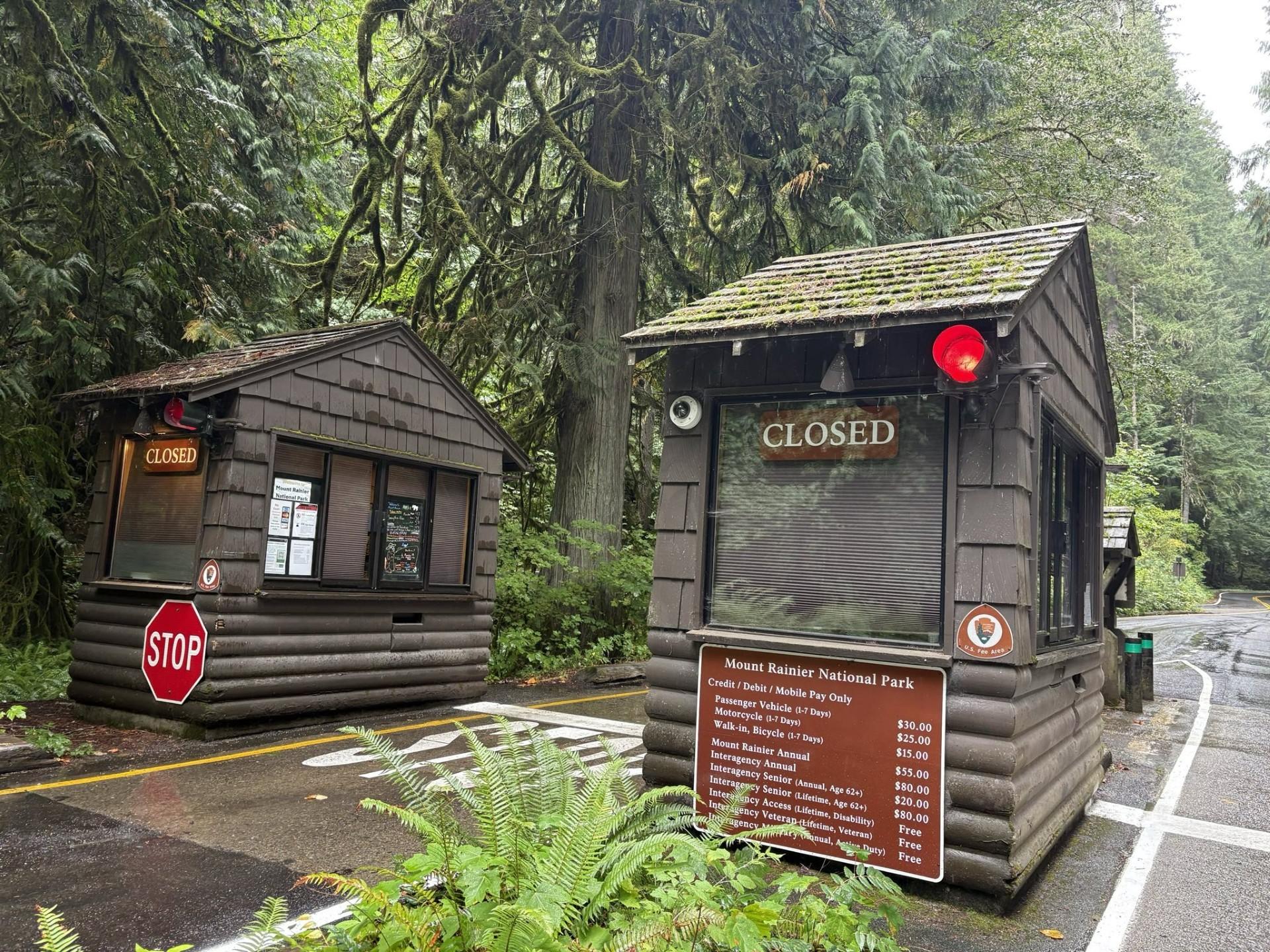
The 43-day government shutdown created enormous challenges for our parks, staff, and visitors who cherish these spectacular destinations. In the Northwest, most indoor historic sites, visitor centers, and some park restrooms were closed. While our outdoor-accessible parks remained “open,” they had no staff to properly serve visitors, protect and monitor resources, and collect sorely needed entry fees.
At Mount Rainier and Crater Lake, rangers were barred from collecting fees, depriving parks of critical revenue for an already underfunded agency. Throughout the shutdown, NPCA estimates that parks lost $41 million in uncollected fees, which go towards funding for park repairs, educational programming and visitor services. Meanwhile, staff at John Day Fossil Beds were forced to shutter the park museum and halt paleontological research.
At Olympic, we saw the impact of the free-for-all as many restrooms and facilities were closed and used toilet paper littered the area outside the Hoh River visitor center. Many visitors faced overflowing parking lots and unsafe, illegal parking as people scrambled to access the woods. Seasonal closures softened some impacts, but the human toll was severe. Seeing our friends at the Park Service were furloughed and split into the demoralizing categories of essential and non-essential, despite every remaining park employee doing critical work and often juggling multiple roles.
The agency has lost 25% of its staff since the beginning of 2025, with more cuts promised by the administration. We can only imagine how these public servants felt as some decision makers threatened not to provide backpay. Our hearts go out to the stalwart park employees providing a greatly needed public service, guiding visitors, protecting our favorite places, interpreting our cherished stories and giving our parks the thoughtful care they need to thrive for generations to come.
NPCA will continue to document all the impacts by carefully reaching out to our park leaders to encourage park staff to conduct resource damage assessments so that we can continue to discourage our current and future administration’s from keeping parks accessible when the government shuts down.
|
|
 |
|
|
Seattle Day of Action
Written by Kai Tran, Next Generation Advisory Council Member
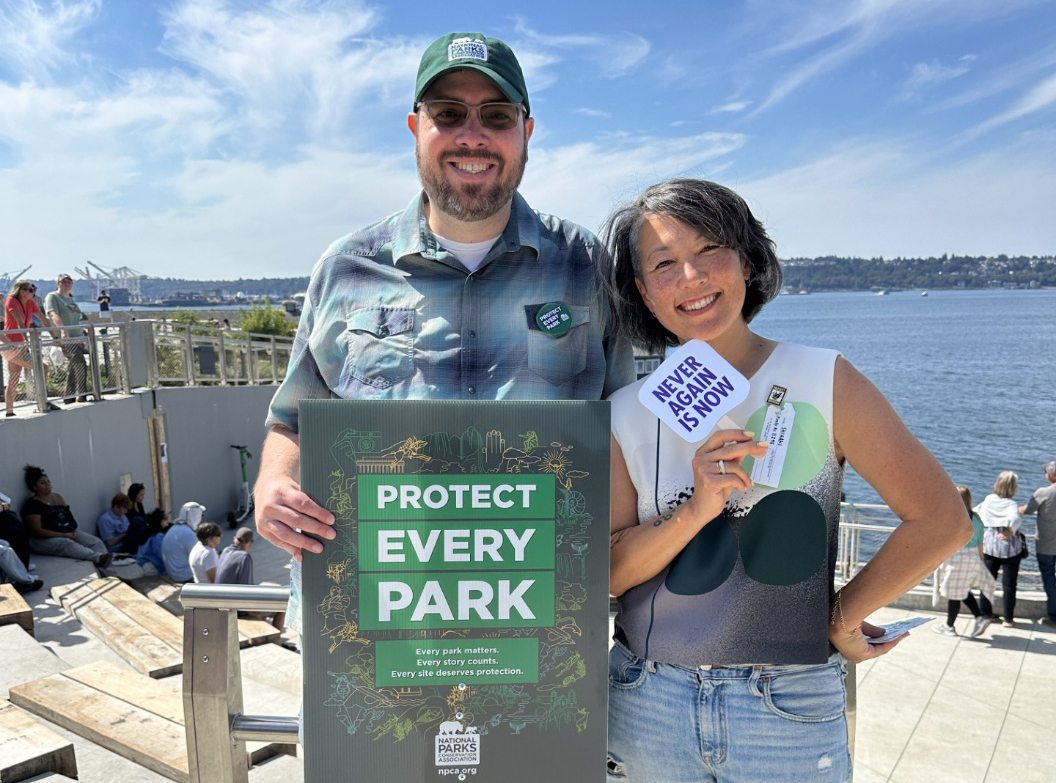
On a sunny August day on the Seattle Waterfront, with Bainbridge Island in view, hundreds of people gathered to recognize the direct attacks the federal administration is placing upon our historical national park sites, threatening to change how stories are told or erase them altogether. Of these historical parks, several park sites across the West were established to acknowledge, memorialize, and educate the American people on the atrocities that occurred during Japanese Internment of World War II.
These sites and stories are facing erasure and threats, including the Japanese American Exclusion Memorial on Bainbridge Island. This site recognizes the first community to be subject to internment at the onset of America's engagement in World War II and is a national park unit of Idaho's Minidoka National Historic Site, one former internment camp site in the Pacific Northwest. Though now restored, the NPS webpage for Bainbridge was hastily removed during the summer, raising concerns about the future of interpretive resources at park sites like these.
As part of NPCA's Protect Every Park Gathering, NPCA convened with a multitude of integral Japanese American, AANHPI, and conservation community organizations from the Greater Seattle area. Speakers and performances ranged from testimonials by internment survivors, messages of concern, unity between community and political leaders, and a Taiko drumming ceremony. Some of the highlighted speakers included a Minidoka descendant and muralist Erin Shigaki, Rep. Sharon Tomiko Santos of Seattle's 37th LD, and Bainbridge Island City Councilmember Clarence Moriwaki.
Throughout the event, impassioned attendees rallied with signs advocating for the preservation of our history and protection of our vital park sites. NPCA, along with other volunteers, tabled at the event and gathered visitor signatures and letters of support to send to local Congressmembers demanding the protection and preservation of our historical National Park sites.
As someone who has held the privilege of visiting both Minidoka and Manzanar Internment camps in Idaho and California, the opportunity to hear firsthand the atrocities and lived experiences from both survivors and descendants was a powerful retelling of history and a strong reminder of the threats which Japanese Americans faced during World War II, and the immense need for the continued education and preservation of these sites and stories to ensure that such atrocities never occur again.
|
|
 |
|
|
New Effort to Protect Painted Hills
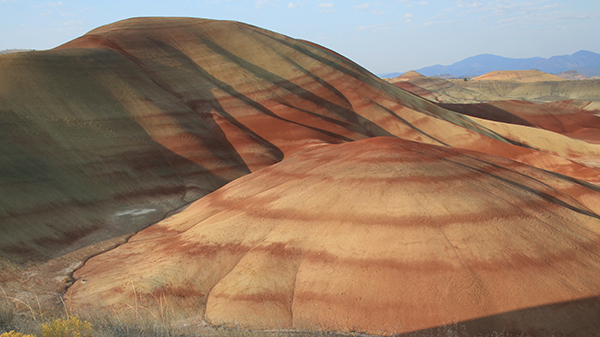
From the ridge overlooking Oregon’s famous Painted Hills, one gets a true sense of the wild eastern half of the state. With Sutton Mountain rising to the east, the wild and scenic John Day River to the north, and the rolling grasslands of Pat’s Cabin Wilderness Study Area to the west, the John Day Fossil Beds National Monument and its Painted Hills are at the center of a growing conservation effort led by NPCA.
This summer, NPCA launched the Greater Painted Hills Collaborative, a new partnership of federal, state, Tribal, and local land managers to coordinate rangeland and habitat restoration projects across more than 500,000 acres of Oregon’s high desert surrounding and connecting the three units of John Day Fossil Beds. The area is home to bighorn sheep on its craggy rocks and salmon and steelhead through its wild streams. These lands are the connective tissue between units of the fossil beds and, by stitching them together through collaborative restoration work, we support the park’s ability to protect and enhance its own natural resources.
With the support of NPCA, the Collaborative will explore projects that benefit lands, waters, and wildlife across property lines all with an eye towards protecting one of Oregon’s most famous natural landmarks.
Thank you for being a national park supporter.
Best,
|
|
|

Colin Deverell
Acting Regional Director
|
|
|




